
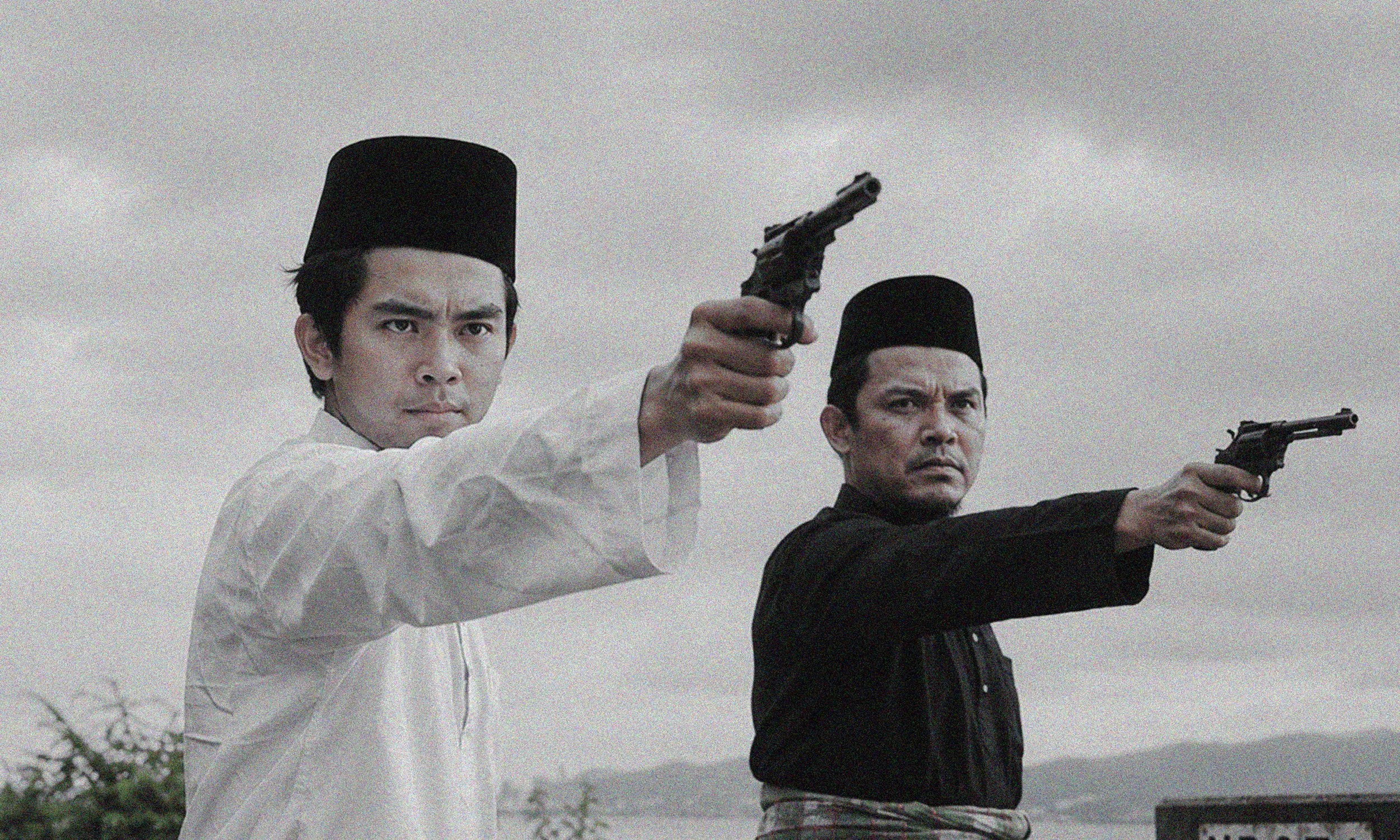
letters from malaya
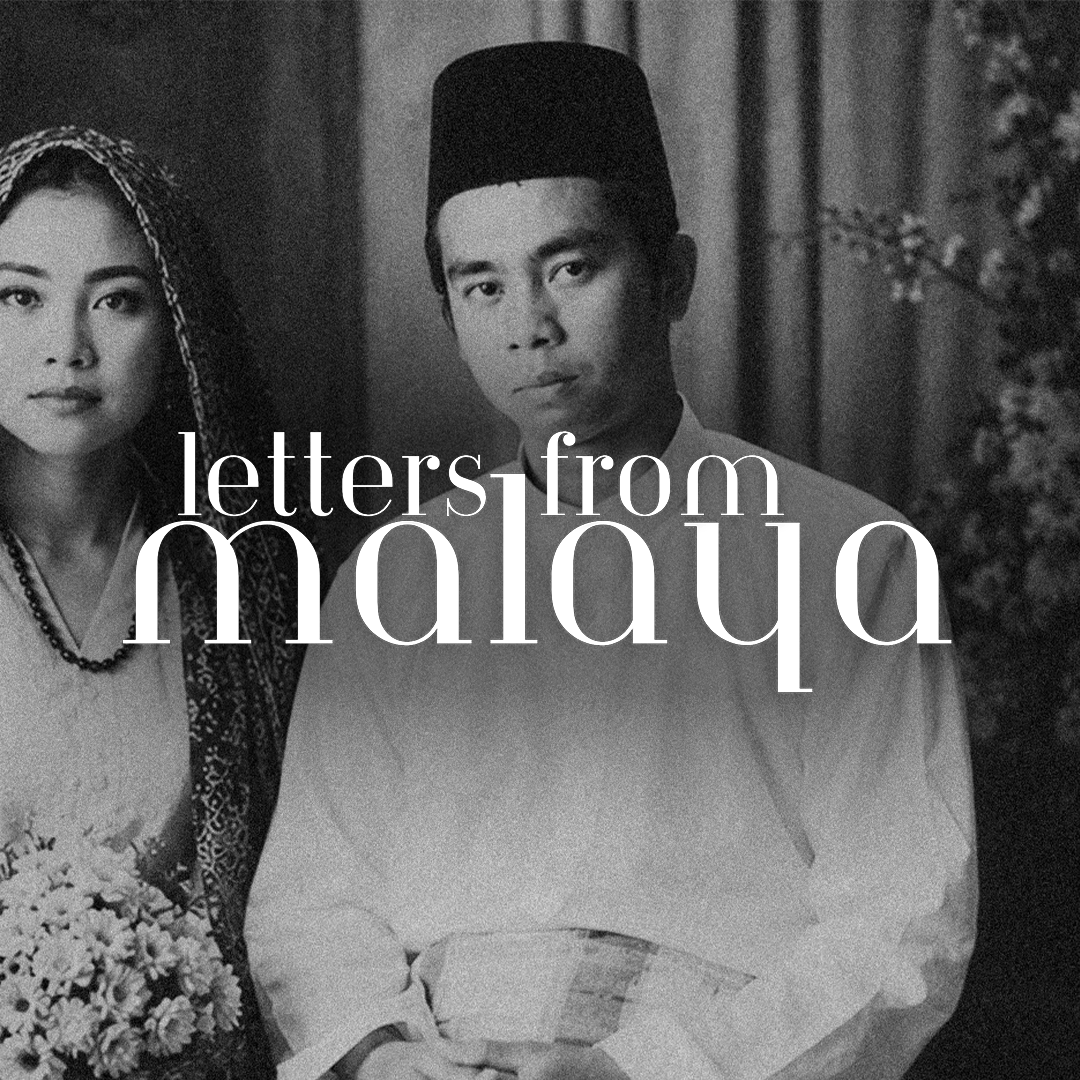
A historical character drama inspired by real events, where war changes history, but love changes a man.
inspired by real events and historical figures
While telling an original fictional story set against the final years of British Malaya before the Pacific War.
A historical prequel to The KL Samurai.
STORYLINE
In colonial Malaya on the brink of World War II, a feared outlaw carrying out a secret mission for Japan unexpectedly finds himself drawn into the lives of the very people he was sent to use.
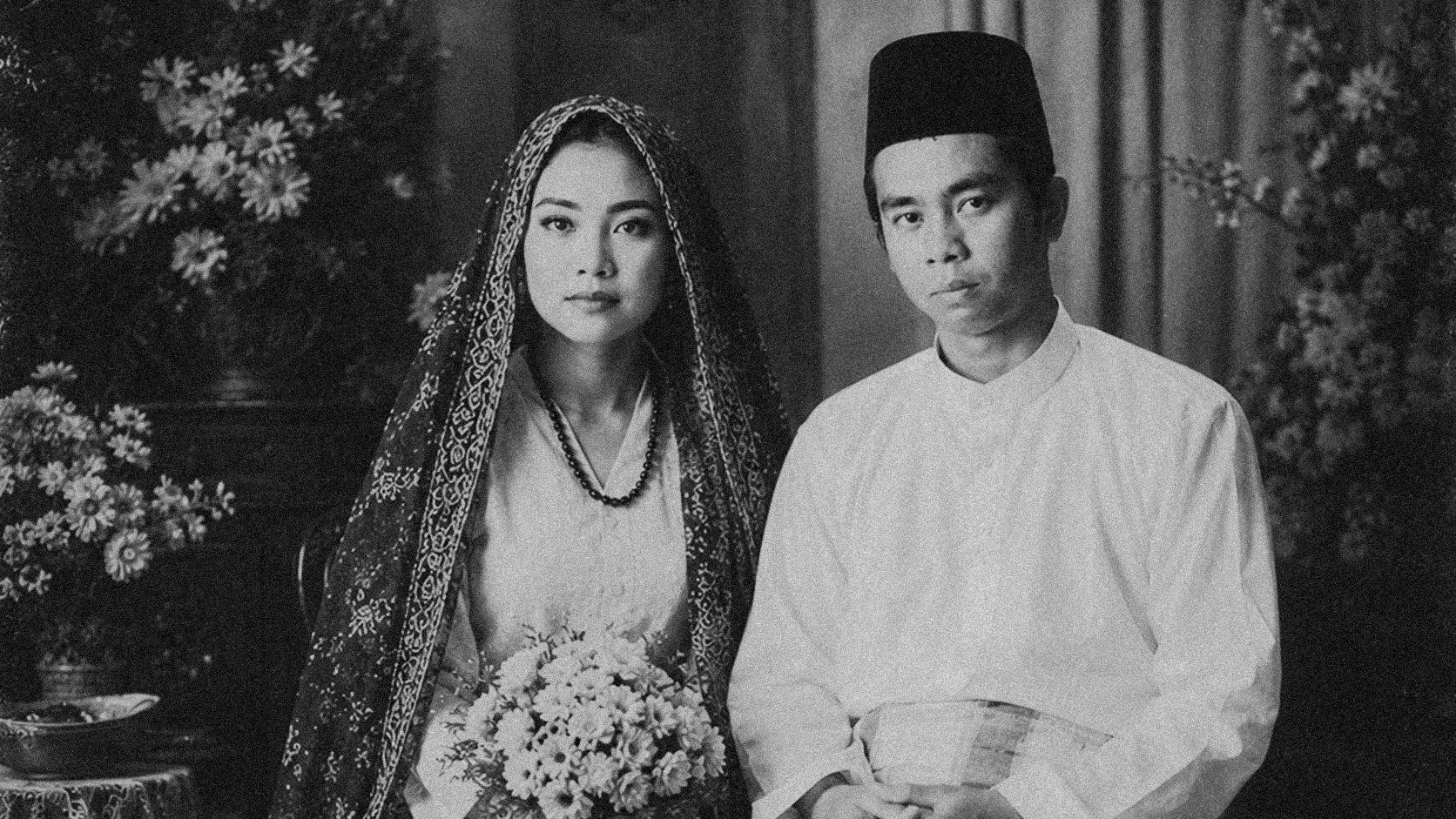
At its heart is Harimau, a feared outlaw, a grieving brother, a devoted husband, and a man searching for redemption.
As war closes in and loyalties begin to shift, Harimau finds himself torn between the homeland that shaped him and the humanity he discovers in Malaya.
Inspired by real historical figures and events, Letters From Malaya is an epic historical drama about courage, honour, sacrifice, love, and the promises that outlive war.
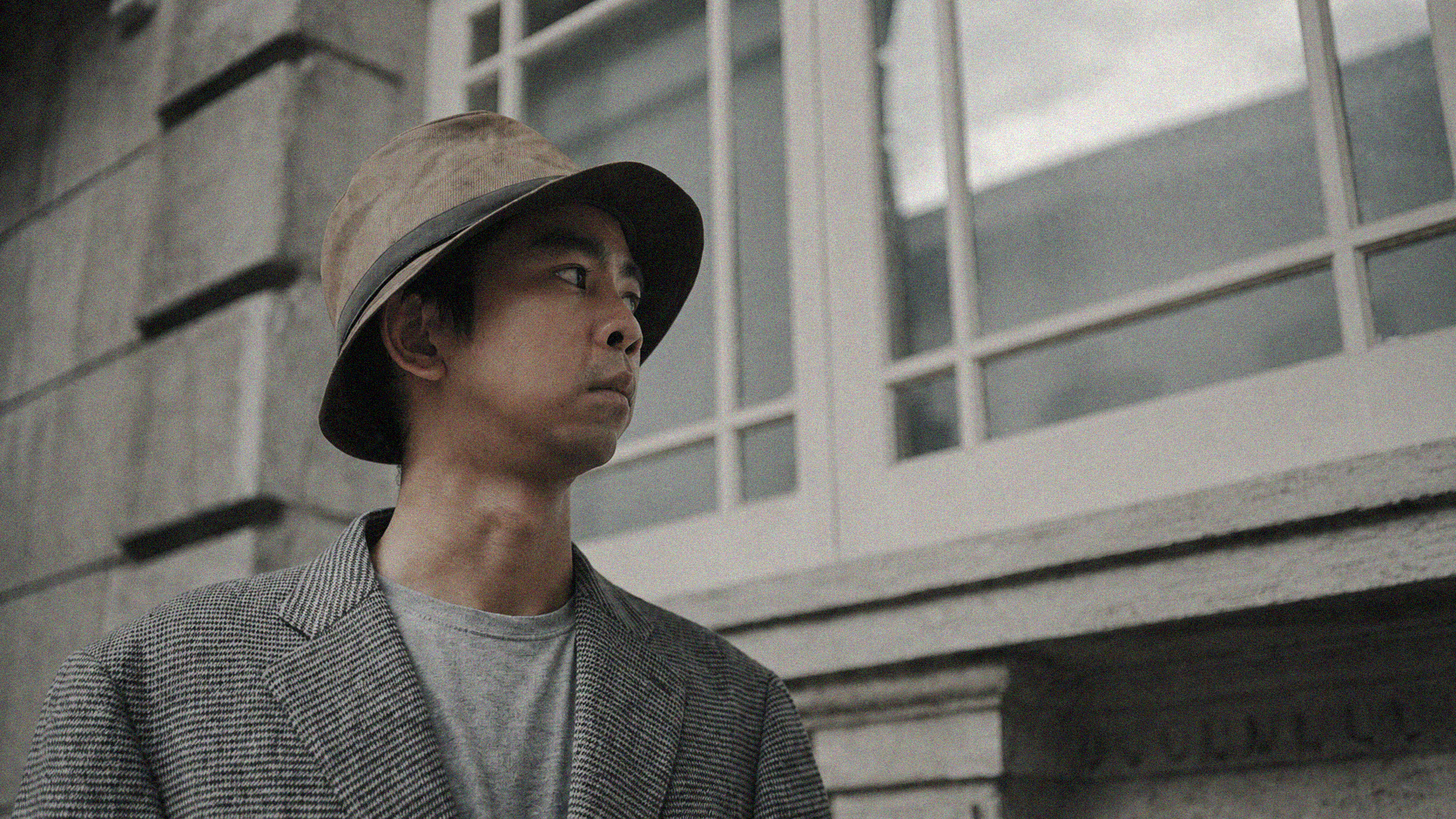
Harimau (Yutaka Tani)
Outlaw. Spy. Leader. A man searching for redemption.
Melur
Daughter of Guru Ambak. The woman who changes Harimau.
Main Characters
Guru Ambak
Silat master. Village protector. The moral centre of the story.
Fujiwara
Japanese intelligence officer. Strategist. Eventually becomes Harimau's closest military ally.
genre
Historical Epic
Romance
War
Legacy
themes
Identity
Honour
Redemption
Legacy
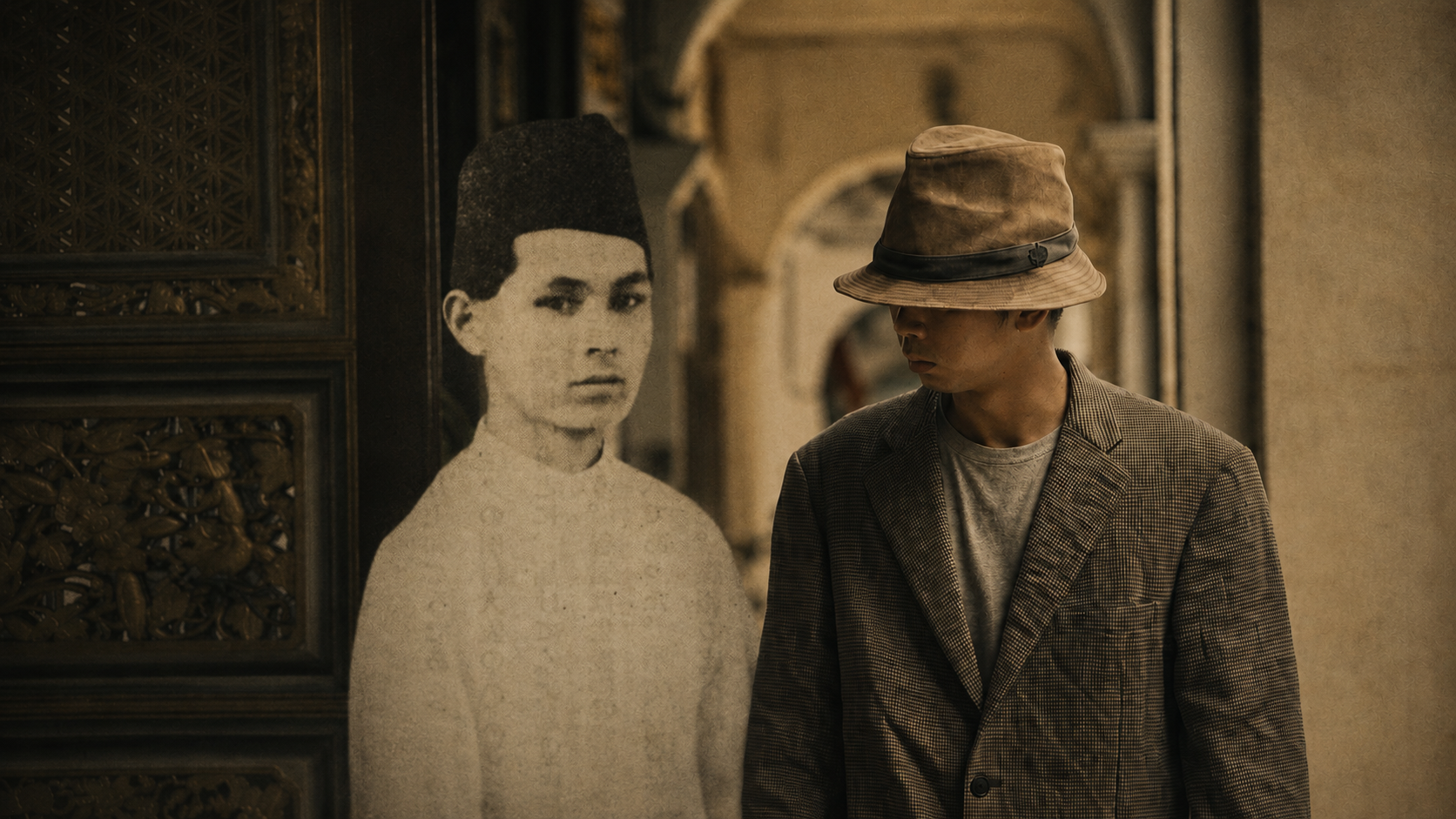
YUTAKA TANI (Harimau)
Historical Figure – Fictional Legacy
A real-life Japanese man, Yutaka Tani; later known as Harimau, gained notoriety during the lead-up to WWII. After his sister’s murder, he returned to Malaya seeking revenge, gathering over 3,000 local followers.
He disguised himself as a Malay, spoke the language fluently, and led raids that earned him folk-hero status among some Malays, while the British labeled him a bandit. He later became a secret agent for Japan’s F. Kikan, working under Major Fujiwara Iwaichi, supporting intelligence operations across Southeast Asia. He died of malaria at age 28 and is honored in Japan as a WWII hero, enshrined at Yasukuni Shrine and featured in films and manga.
In Letters From Malaya (a work of historical fiction), Yutaka is reimagined as the grandfather of Han, having secretly married a Malay woman named Melur. Their fictional son, Takada, continues Yutaka’s bloodline; bridging samurai values with Southeast Asian identity.
Note: The marriage to Melur and lineage to Han Takada (The KL Samurai) are fictional additions for storytelling purposes.
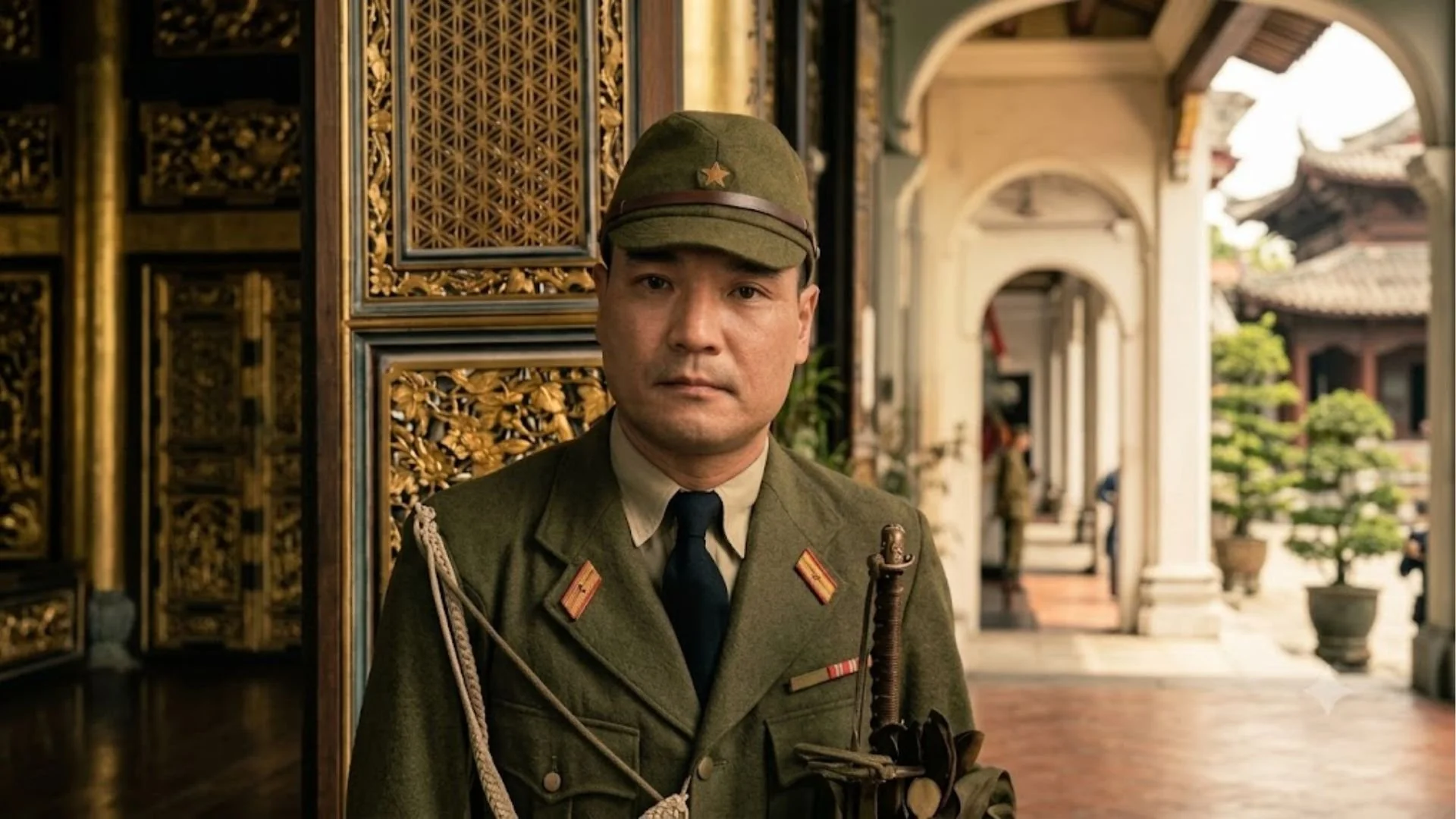
MAJOR IWAICHI FUJIWARA
Japanese Intelligence Officer – Strategist, Idealist, and Unlikely Ally
Major Iwaichi Fujiwara was a real-life officer in the Japanese Imperial Army, known for his intelligence work in Southeast Asia during World War II.
Though young and relatively inexperienced, he was sent to Bangkok to lead a small fiveman unit called F. Kikan; named after “Fujiwara,” “Freedom,” and “Friendship.” Their mission: conduct intelligence, build alliances, and prepare for Japan’s military expansion in the region.
Fujiwara admired Yutaka Tani (Harimau) despite his outlaw status and recruited him into espionage and sabotage operations in Malaya, giving Yutaka a chance to redeem himself in service of Japan. Their friendship was deep; Fujiwara was reportedly at Yutaka’s side during his final moments. Fujiwara’s actions often challenged Tokyo’s military hierarchy. He believed in a genuine Asia for Asians, forging ties with Indian nationalists, Malay sultans, Atjehnese leaders, and overseas Chinese.
He was described as:
• A bold idealist by Prof. Joyce Lebra, who noted his serious commitment to Asian cooperation
• A trusted comrade by Gen. Mohan Singh of the INA, who praised his courage, empathy, and leadership
• A modern-day samurai by Prof. Akashi Yoji, admired for his sincerity, humility, and moral conviction
In Letters From Malaya, Yutaka entrusted him with letters and a necklace meant for his family.
CREATOR’S NOTES
For decades after World War II, Japan’s wartime motives across Southeast Asia remained buried; locked in archives and in the memories of those who lived it.
While the world clung to the narrative of Allied righteousness, few stopped to understand those on the other side; especially the Japanese.
For men like Major Fujiwara and General Mohan Singh, the war was more than strategy, it was a shared cause, a creation born from conviction and sacrifice. Fujiwara later reflected: “We may have lost the war, but we helped end centuries of colonial rule. Japan rose from ashes, not in conquest, but in truth.”
Yet in defeat, he also demanded dignity : “We upheld Bushido. What I saw in Changi Prison was not the spirit of your knighthood.”
And as time passed, voices called not for vengeance, but for reflection.
“If we learn to respect even our enemies,” said Aikido master Kensho Furuya, “then perhaps, we will begin to understand peace; not as a treaty, but as something that begins within each of us.”
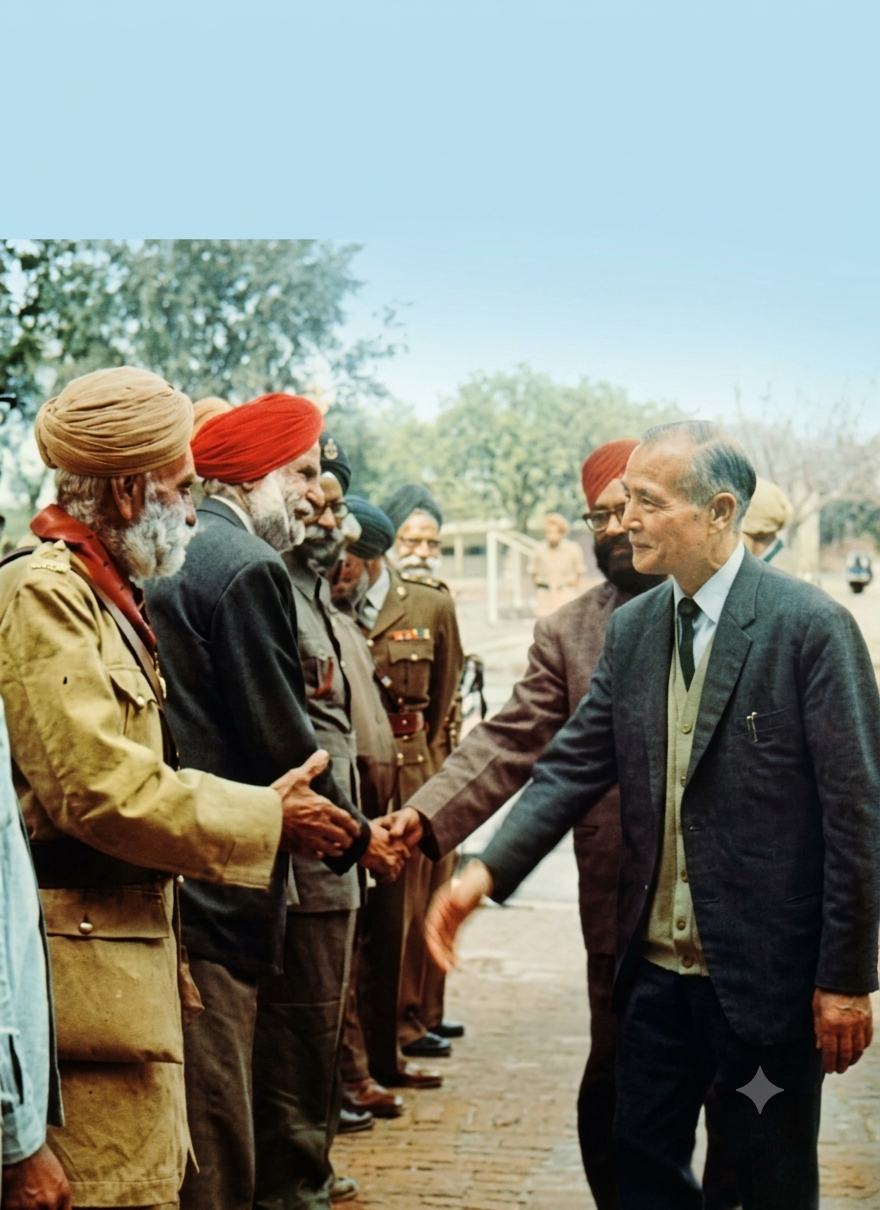
Letters From Malaya draws inspiration from historical events surrounding the Japanese invasion of Southeast Asia, particularly Malaya.
The story highlights key real-life figures once regarded as heroic in the Japanese narrative ; namely Yutaka Tani (also known as Harimau, Harimao, or the Tiger of Malaya) and Major Iwaichi Fujiwara.
Other significant Malay, Thai, and Indian figures, including Malay Sultans and members of the Indian independence movement also appear in the historical arc of the story.
Much of the historical perspective is based on the writings of the late Lieutenant General Iwaichi Fujiwara in his seminal work, F Kikan: Japanese Army Intelligence Operations in Southeast Asia During World War II. While the story acknowledges Harimao’s celebrated status in Japan, the portrayal of Yutaka Tani in Letters From Malaya has been fictionalized and modified for dramatic and commercial purposes.
Based on interviews and independent research, it is noted that certain silat masters in Kedah had cooperated with Japanese forces during their invasion of Malaya. Dramatic scenes inspired by these accounts have been constructed in the story. A scene involving the late His Majesty Sultan Abdul Hamid of Kedah is also depicted.
Production
CREATOR & EXECUTIVE PRODUCER : Mashitoh Chen (Centriczone Group PLT)
Project Status
Script completed. Active discussions for financing, co-production, and partnerships.
Rights & Partnerships
IP Ownership: Original Intellectual Property
Production Stage: Development Completed
Seeking: Strategic Co-Financing, International Co-Production & Global Distribution Partners
UPDATES ON YOUTUBE & TIKTOK
〰️
UPDATES ON YOUTUBE & TIKTOK 〰️
THE KL SAMURAI
LETTERS FROM MALAYA

THE KL SAMURAI CONNECTED
THE KL SAMURAI WITNESS
LETTERS FROM MALAYA

TUAH REBORN

DEMI ANAK KITA

HANGING ON

WHEN LOVE VANISHES
SURYASANA
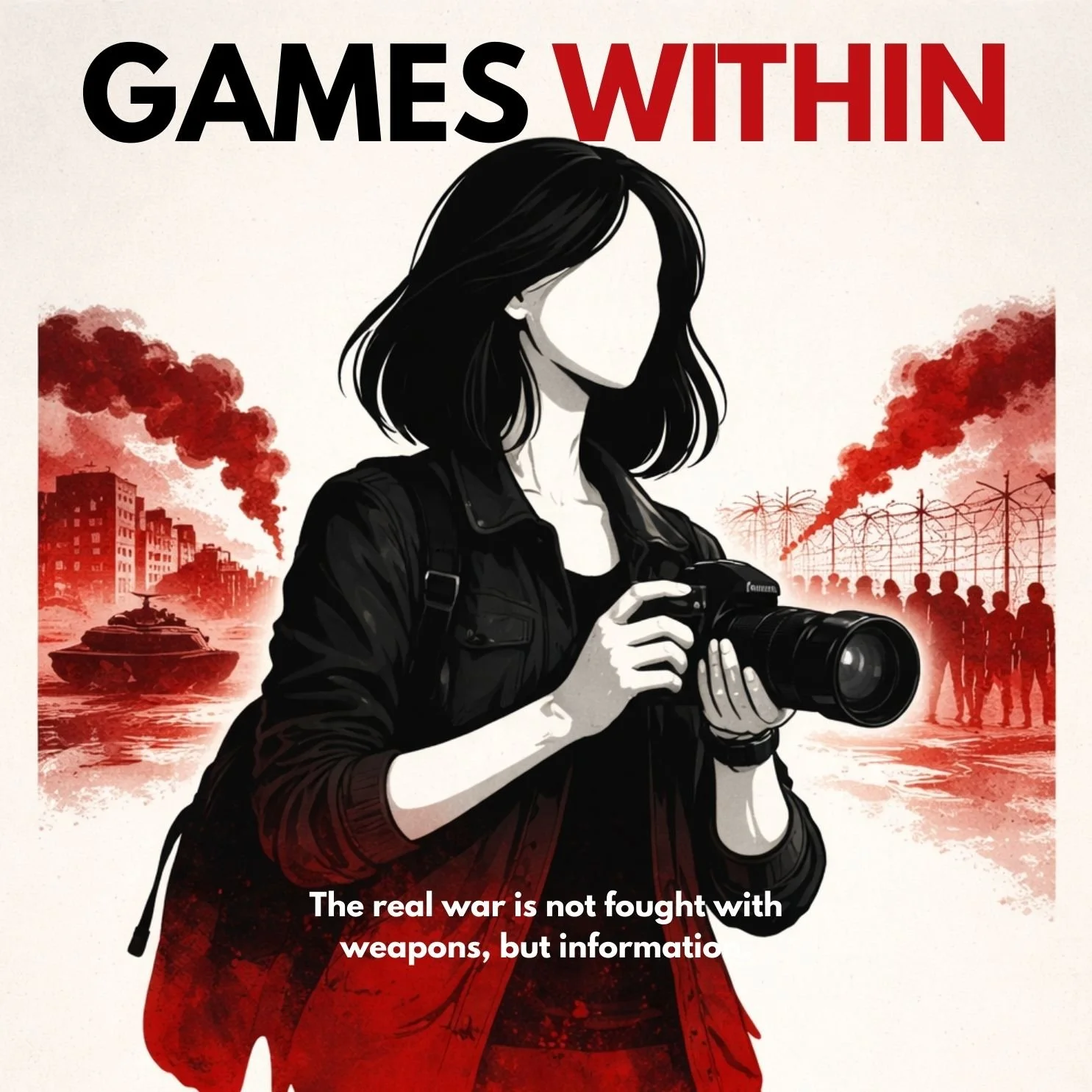
GAMES WITHIN
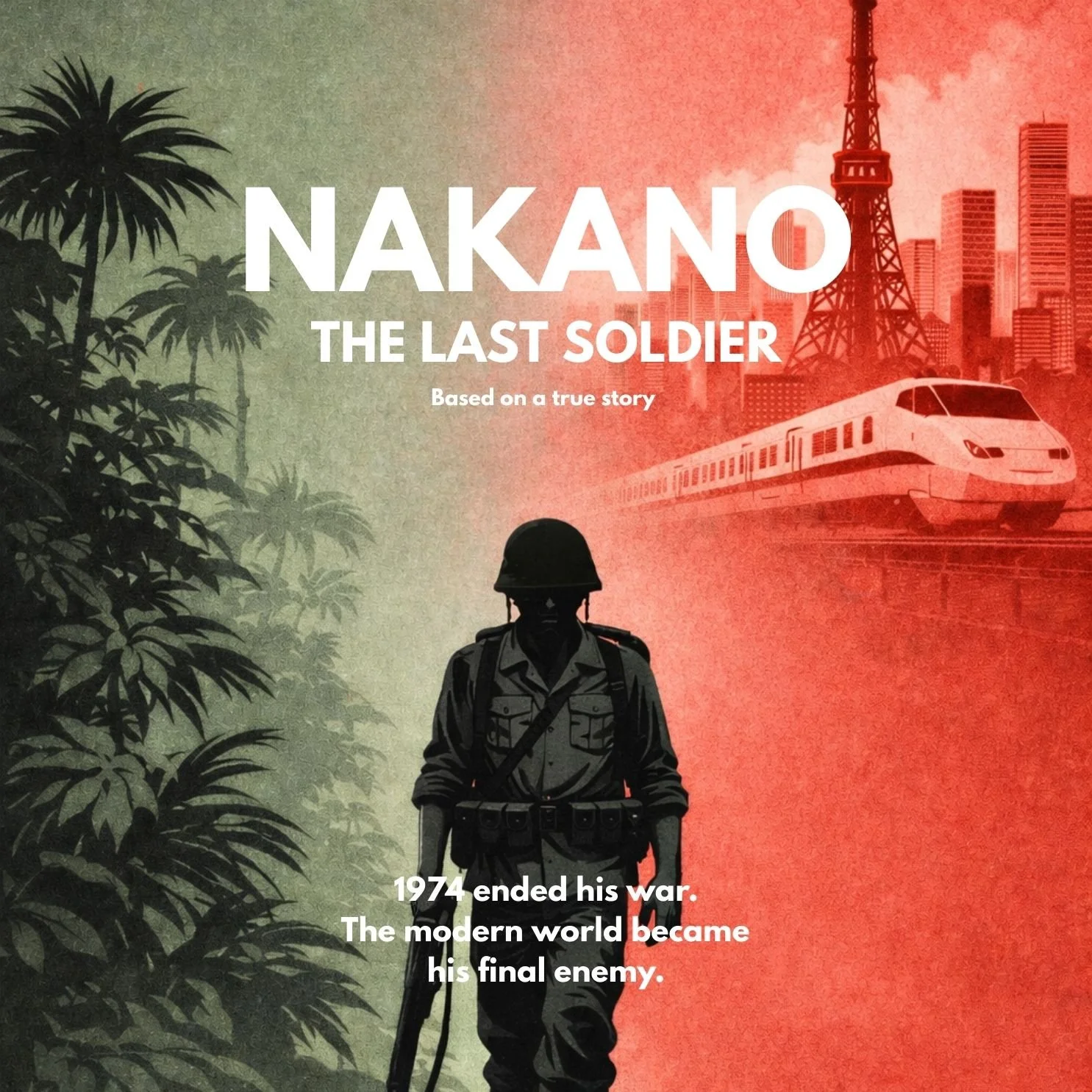
NAKANO THE LAST SOLDIER
RICHARD & SALADIN
TAHUN PILIHANRAYA